
SUSTAINABLE DEVELOPMENT
SUSTAINABLE DEVELOPMENT
Y30 is committed to supporting rural communities of Manakhah through sustainable agricultural projects that strengthen food security and improve livelihoods. Among its main initiatives is the coffee cultivation project, which aims to revitalise local coffee plantations and improve crop quality by training farmers and providing them with the seedlings and tools they need to increase their productivity. Y30 has also implemented a water retention basin construction project designed to capture rainwater, reduce soil erosion and ensure reliable water sources for irrigation throughout the year. Through these high-impact initiatives, Y30 strives to empower farmers, preserve natural resources and build a more sustainable future for local communities.
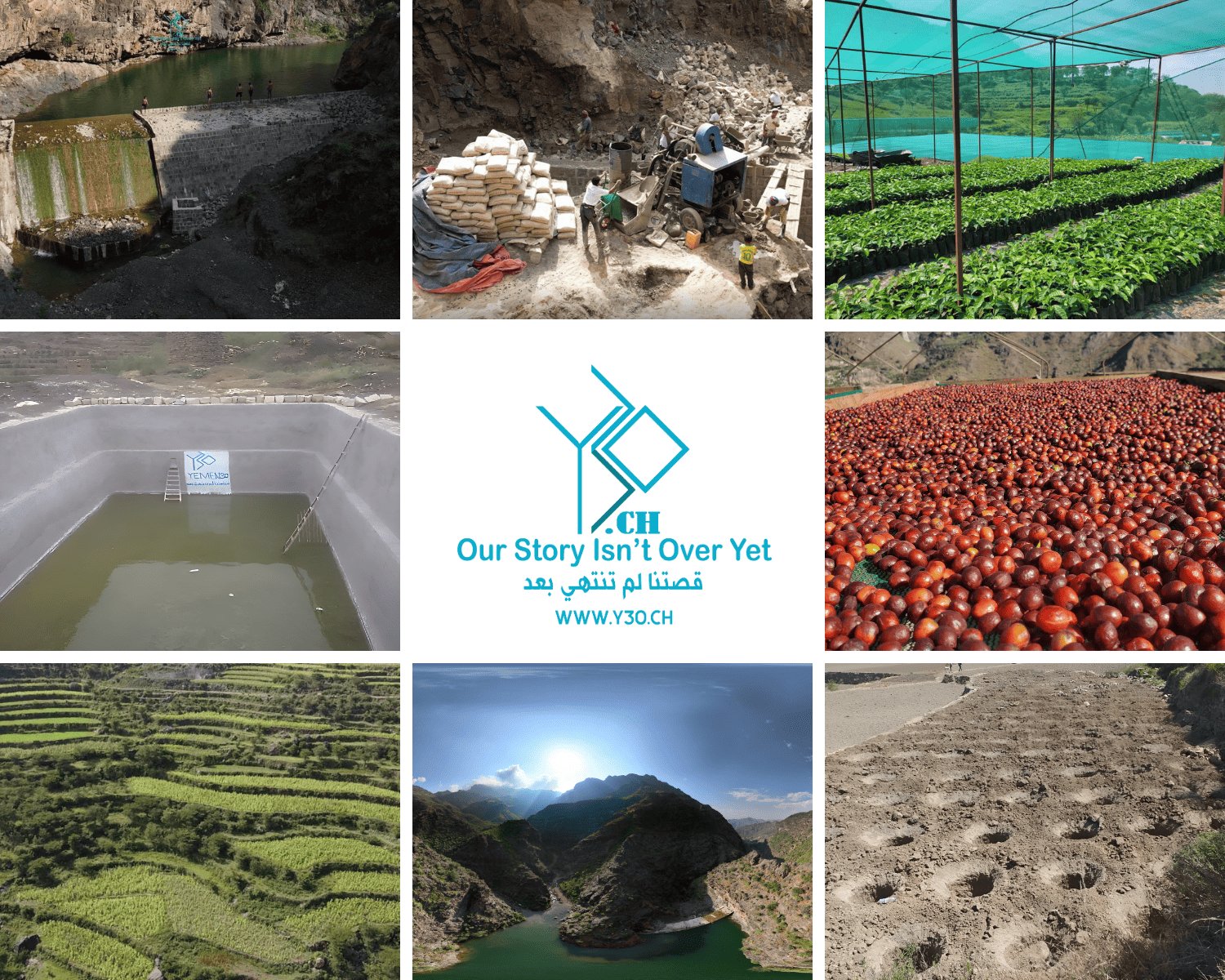
Rainwater retention basins
Irrigated agriculture remains the cornerstone of food production, employment and economic activity in Yemen. However, significant challenges remain due to water scarcity, inadequate water resource management, poor maintenance resulting from years of conflict, weak social cohesion among water users and limited governance capacities. Natural disasters have further exacerbated these problems, putting enormous pressure on agricultural productivity. The Basin of Hope projects aim to improve the livelihoods of farmers and local communities in the Manakhah district of Yemen by improving access to water through the construction or expansion of rainwater retention basins, as well as ensuring access to this basin in mountainous areas. The second phase of these projects aims to optimise water distribution systems and promote sustainable usage practices among beneficiaries. Y30 has several years of experience working with water access programmes in rural areas of Yemen. Y30 has already completed the construction of 3 large reservoirs and the rehabilitation of several smaller ones in the Haraz Valley.
No Results Found
The page you requested could not be found. Try refining your search, or use the navigation above to locate the post.
Nurseries of Hope Agricultural nurseries and seedling distribution
The Manakhah District, located in Yemen’s mountainous region, is a historically agricultural area known for its coffee production. In recent decades, the expansion of Qat plantations has replaced much of the traditional coffee and food crop farming, contributing to environmental degradation through deforestation and excessive water usage. The consumption of Qat has also been linked to a rise in poverty, as the plant’s cultivation offers minimal economic benefits compared to other crops like coffee. Recognizing these challenges, Y30 has been actively involved in promoting sustainable agriculture and empowering women in the region. This project aims to improve livelihoods and community resilience in Manakhah and Dhamar by replacing harmful qat cultivation with sustainable coffee production. By fostering a shift towards a ‘Green Revolution’ in Yemen, it seeks to enhance societal health, increase green spaces, and create a more sustainable and prosperous agricultural sector. The project includes continuing the production of coffee and vegetable seedlings in three existing nurseries and creating two new nurseries in Manakhah and Dhamar. Over a period of three years, free coffee plants are being distributed to 1,316 female farmers of Manakhah. In Dhamar, free vegetable plants are distributed each year to 400 residents. The planting of the seedlings received is supervised, coupled with community sessions to uproot weeds. Surplus production from the nursery is be sold to ensure the project’s sustainability. Seminars to raise awareness of agronomy are organised throughout the project.
No Results Found
The page you requested could not be found. Try refining your search, or use the navigation above to locate the post.
Other projects
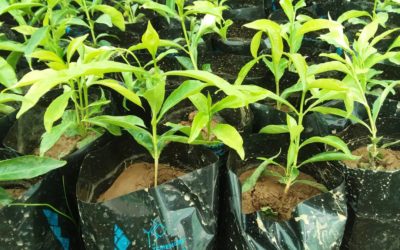
The Nurseries of Hope 2030
As the crisis in Yemen enters its sixth year, the agriculture sector has become one of the worst hit by the current crisis. Agricultural assets have been lost, destroyed, or degraded, severely comprising food production, causing extensive damage to livelihoods...
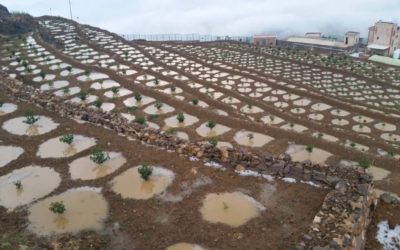
The “Trees for the Future” project
Agricultural assets have been lost, destroyed or degraded, severely comprising food production, causing extensive damage to livelihoods and high unemployment rates. Agriculture remains the main source of livelihoods for the bulk of Yemenis, especially women, living in...
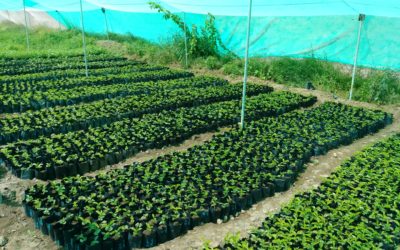
Trees of Hope: Y30’s Reforestation Initiative Revitalizes Yemen’s Landscape and Economy
Investing in tree planting is a crucial and enduring endeavor, particularly in Yemen where lands are inherently suitable for agriculture, despite some areas being abandoned. Beyond serving as a substantial source of long-term food for the population, the fruit tree...