
SUSTAINABLE DEVELOPMENT
SUSTAINABLE DEVELOPMENT
Y30 is committed to supporting rural communities of Manakhah through sustainable agricultural projects that strengthen food security and improve livelihoods. Among its main initiatives is the coffee cultivation project, which aims to revitalise local coffee plantations and improve crop quality by training farmers and providing them with the seedlings and tools they need to increase their productivity. Y30 has also implemented a water retention basin construction project designed to capture rainwater, reduce soil erosion and ensure reliable water sources for irrigation throughout the year. Through these high-impact initiatives, Y30 strives to empower farmers, preserve natural resources and build a more sustainable future for local communities.
Rainwater retention basins
Irrigated agriculture remains the cornerstone of food production, employment and economic activity in Yemen. However, significant challenges remain due to water scarcity, inadequate water resource management, poor maintenance resulting from years of conflict, weak social cohesion among water users and limited governance capacities. Natural disasters have further exacerbated these problems, putting enormous pressure on agricultural productivity. The Basin of Hope projects aim to improve the livelihoods of farmers and local communities in the Manakhah district of Yemen by improving access to water through the construction or expansion of rainwater retention basins, as well as ensuring access to this basin in mountainous areas. The second phase of these projects aims to optimise water distribution systems and promote sustainable usage practices among beneficiaries. Y30 has several years of experience working with water access programmes in rural areas of Yemen. Y30 has already completed the construction of 3 large reservoirs and the rehabilitation of several smaller ones in the Haraz Valley.
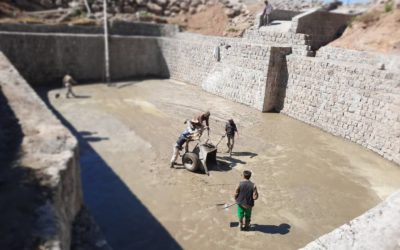
The Basins of Hope
Irrigated agriculture is the primary source of food, employment and economic activity in Yemen. However, water scarcity, poor management capacities of water resources, inadequate maintenance due to conflict, limited social cohesion among water users and weak...
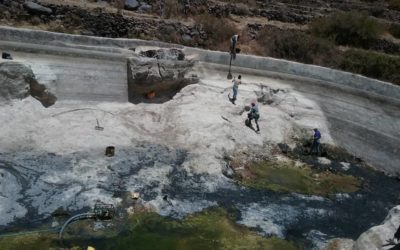
Renovation of Gojeb pond
April 17th, 2019 - Geneva Y30 cleaned the century-old Gojeb pond in Aliyan, Haraz, which has never been maintained correctly. Thanks to the efforts of several villagers during an intensive working day, the basin is back to its original aspect and ready for domestic...
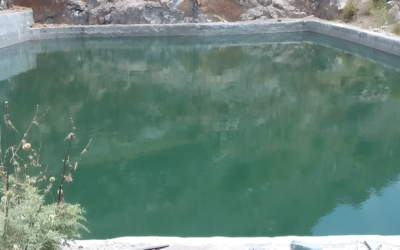
The “Basin of Hope”: Bringing Water and Renewal to Yemeni Agriculture
Despite the fact that some dams have remained unscathed from bombings in Yemen, those that persist are deemed too small and no longer sufficient to meet the increasing needs of the population. With farmers constituting 74% of the population, a surge in agricultural...
Nurseries of Hope Agricultural nurseries and seedling distribution
The Manakhah District, located in Yemen’s mountainous region, is a historically agricultural area known for its coffee production. In recent decades, the expansion of Qat plantations has replaced much of the traditional coffee and food crop farming, contributing to environmental degradation through deforestation and excessive water usage. The consumption of Qat has also been linked to a rise in poverty, as the plant’s cultivation offers minimal economic benefits compared to other crops like coffee. Recognizing these challenges, Y30 has been actively involved in promoting sustainable agriculture and empowering women in the region. This project aims to improve livelihoods and community resilience in Manakhah and Dhamar by replacing harmful qat cultivation with sustainable coffee production. By fostering a shift towards a ‘Green Revolution’ in Yemen, it seeks to enhance societal health, increase green spaces, and create a more sustainable and prosperous agricultural sector. The project includes continuing the production of coffee and vegetable seedlings in three existing nurseries and creating two new nurseries in Manakhah and Dhamar. Over a period of three years, free coffee plants are being distributed to 1,316 female farmers of Manakhah. In Dhamar, free vegetable plants are distributed each year to 400 residents. The planting of the seedlings received is supervised, coupled with community sessions to uproot weeds. Surplus production from the nursery is be sold to ensure the project’s sustainability. Seminars to raise awareness of agronomy are organised throughout the project.
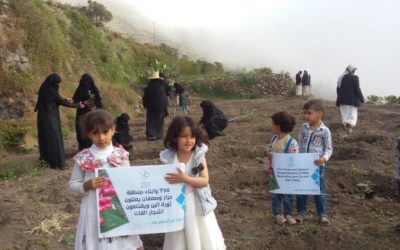
Distributing Seedlings
Yemen faces significant challenges in food security, with nearly 20 million people, equal to 70%of the national population, experiencing acute food insecurity. Through our seedling distribution project, we aims to contribute to addressing these challenges and...
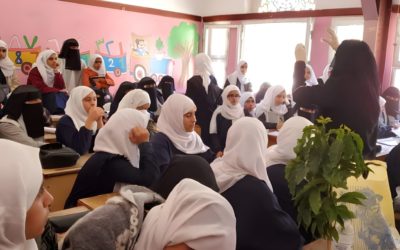
Home farming training program
An agriculture engineer explained the importance of home gardening for achieving self-sufficiency and provided agricultural information to students. Agricultural brochures were also distributed to students due to their significant role in raising awareness among...
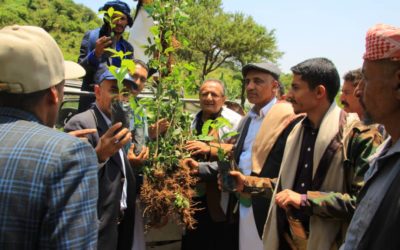
The anti-qat project
Qat cultivation has become widespread throughout Yemen, and its consumption represents both an economic trap and social phenomenon. Many Yemenis are spending a large portion of their income to buy qat leaves that, contains classified narcotic substance, instead of...
Other projects
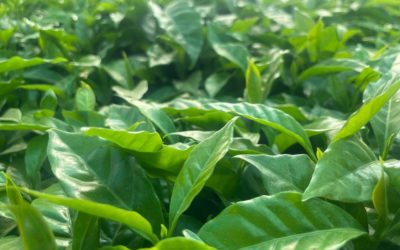
Nurseries of Hope
Cultivating Hope: Y30's "Nurseries of Hope" Project Supports Food Security and Sustainable Development in Yemen. Yemen's resilience in the face of crisis is undeniable. Yet, the ongoing conflict poses asignificant threat to food security, particularly for vulnerable...
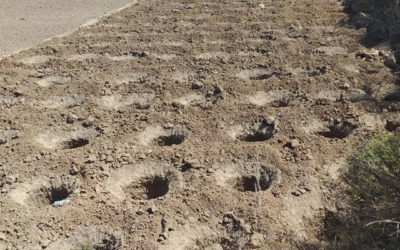
Preparing the Agricultural Lands
Digging the Ground and Prepare the Land for Cultivation Harmony in the Earth: A Symphony of Planting Coffee in Haraz In the heart of Haraz, where the earth breathes whispers of transformation, a ballet begins—a dance of preparation, a choreography that orchestrates...
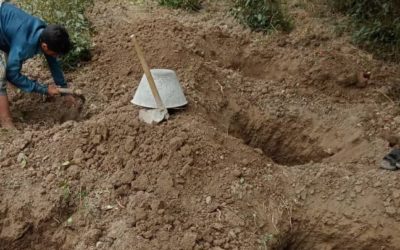
Uprooting Qat, Cultivating a Healthier Future
Uprooting Qat, Cultivating a Healthier Future: Y30's Commitment to Sustainable Development Y30 is leading a groundbreaking initiative in Yemen, tackling the challenge of Qat cultivation and promoting a more sustainable agricultural future. This project directly...